
Quick Answer
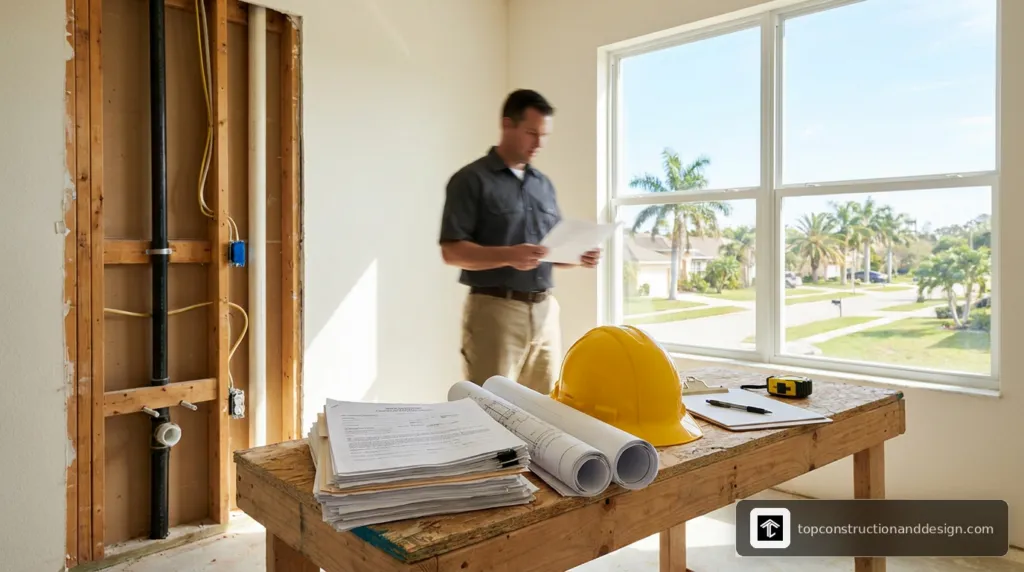
In Coral Springs, most bathroom remodels require a building permit, and any project touching plumbing, electrical, mechanical, structural, or gas systems needs a permit regardless of cost. As of 2026, paper permit submittals are no longer processed as paper, so applications must go through the city’s online eTRAKiT system or be converted electronically for a fee. Purely cosmetic work under $1,500 in labor and materials, with no system changes, may be exempt.
Here’s a number that surprises most homeowners: replacing a simple bathtub with a walk-in shower pan almost always requires a permit in Coral Springs, even though it looks like a straightforward swap. Meanwhile, a project valued at $1,499 that involves no plumbing or electrical work might not need one at all. That gap between “looks minor” and “is legally minor” is exactly where homeowners get into trouble. Understanding bathroom remodel permits requirements Coral Springs residents must follow isn’t optional paperwork, it’s the difference between a resale-ready home and a stalled closing.
This checklist walks through exactly what the City of Coral Springs requires in 2026, what changed in the permitting process this year, and where the line sits between jobs a homeowner can legally pull a permit for themselves versus work that must go through a licensed contractor.
Do You Need a Permit for a Bathroom Remodel in Coral Springs?
Under Coral Springs building code, a permit is required to “construct, enlarge, alter, repair, move, remove or demolish” a building or any part of one. That broad language means most bathroom remodels, from reconfiguring a vanity wall to installing a new shower, fall under permit jurisdiction. The narrow exception is general maintenance or minor repair that does not change occupancy and stays at or under $1,500 in combined labor and materials.
But even that exemption has hard limits. Tub and shower pan change-outs are specifically called out as always requiring a permit, no matter how small the job looks on paper. And if your remodel touches plumbing, electrical, mechanical, or gas systems, a permit is mandatory regardless of the total project cost. This is confirmed in the city’s own guidance and echoed in third-party permit trackers covering the region, including local permit data for the 33076 zip code area.
| Bathroom Work | Permit Required? |
|---|---|
| Repainting walls, replacing towel bars or mirrors | Usually no, if under $1,500 and no system changes |
| Tub-to-shower pan conversion | Yes, always |
| Moving or adding plumbing lines | Yes, regardless of cost |
| New electrical circuits or fixtures | Yes, regardless of cost |
| Adding or removing walls | Yes, plus possible sealed documents |
What Is the Step-by-Step Permit Process?
Coral Springs has moved almost its entire building department workflow online, and the process now follows a fairly predictable sequence. Here’s the checklist version:
- Confirm scope of work. Decide whether the remodel involves plumbing, electrical, mechanical, gas, or structural changes. This determines which permit applications you’ll need.
- Gather required applications. The city’s residential remodel and alteration checklist notes that required paperwork may include building, electrical, plumbing, and mechanical permit applications, plus a lot coverage worksheet if you’re adding square footage.
- Submit through the online system. Applications are filed through the city’s Online Permitting eTRAKiT portal, which handles submittals, fee payment, and permit record searches.
- Use the current application version. Effective December 1, 2025, only the most recent version of the building permit application is accepted, so double-check you’re not using an outdated PDF from a prior year.
- Pay applicable fees. Projects valued over $12,500 require a $100 submittal deposit per the city’s fee schedule.
- Wait for plan review and approval. Once approved, permits are issued and posted for the job site.
- Schedule inspections at each milestone. Rough-in and final inspections are booked through the same online system.
What Changed for Permits in 2026?
If you pulled a permit in Coral Springs a few years ago, the process looks different now. Effective January 1, 2026, the city stopped processing paper permit submittals as paper. Every application effectively needs to exist in electronic form before it moves through review.
That doesn’t mean paper is banned outright. The city will still accept paper documents, but they get scanned into the electronic system for a $34 per permit conversion fee. If your plans include oversized sheets larger than 11 by 17 inches, expect an additional $4.00 per sheet scanning charge. For a typical bathroom remodel with a handful of plan pages, that’s a real cost difference between submitting digitally from the start versus dropping off paper at the counter.
This shift toward digital-first permitting isn’t unique to Coral Springs. Broward County municipalities broadly have been consolidating permit systems, and homeowners across South Florida are seeing similar fee structures, a trend covered in reporting on rising Coral Springs homeowner costs tied to municipal fee increases. For a full rundown of what the city currently requires across departments, the Greater Fort Lauderdale Alliance’s permit information summary is a useful cross-reference alongside the city’s own postings.
“Homeowners assume a bathroom remodel is ‘cosmetic’ because it’s contained to one small room. But the moment you touch a drain line, move a GFCI outlet, or swap a tub for a curbless shower, you’ve crossed into permitted work. Skipping that step doesn’t just risk a stop-work order, it can surface during a home sale inspection years later and cost far more to fix retroactively.”
What Can a Homeowner Do vs. What Needs a Licensed Professional?
Florida building code and Coral Springs enforcement draw a fairly clear line here, and it’s worth knowing before you pick up a wrench.
What a homeowner can typically handle without a permit
- Repainting walls or ceilings
- Replacing towel bars, mirrors, or cabinet hardware
- Installing new caulk or grout on existing fixtures
- Swapping a toilet seat or showerhead that doesn’t alter supply lines
- Cosmetic work under the $1,500 exemption threshold, as long as occupancy and systems aren’t changed
What requires a permit and, in most cases, a licensed professional
- Tub-to-shower or shower-to-tub conversions
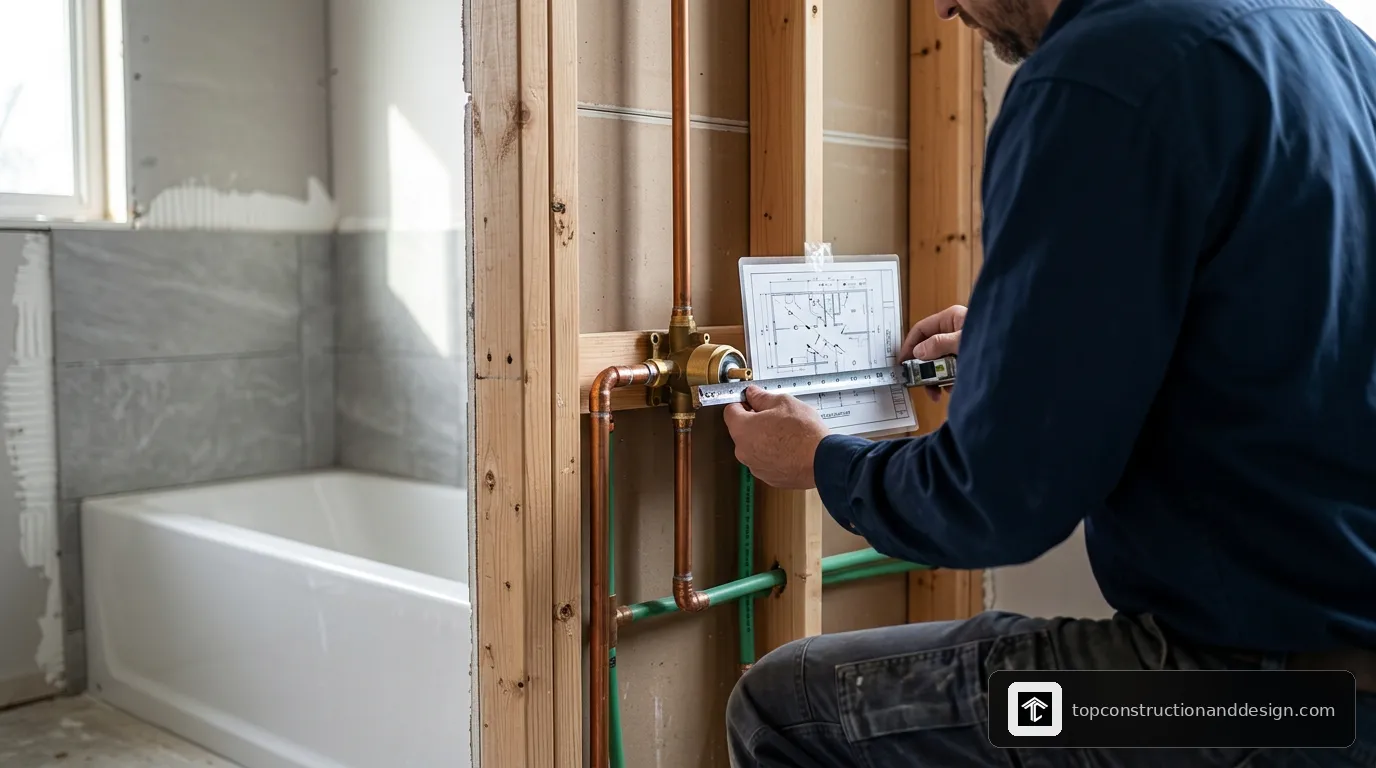
- Any plumbing relocation, including moving a toilet, sink, or drain line
- New electrical circuits, outlets, or exhaust fan wiring
- Mechanical work, including new ventilation systems
- Gas line work for tankless water heaters or other fixtures
- Structural changes such as removing or adding walls
Florida law does allow homeowners to pull owner-builder permits for their own primary residence in some cases, but the trade-specific work itself (plumbing, electrical, mechanical) still generally must be performed or supervised by a licensed contractor in that trade. Guides covering neighboring jurisdictions, like this breakdown of bathroom remodel permit rules in Lauderdale Lakes, show similar patterns across Broward County: cosmetic work is loosely regulated, trade work is not.
How Much Do Permits and Fees Cost?
Permit fees in Coral Springs scale with project value and complexity, and they’re separate from the actual construction cost of your remodel. Here’s what the current fee structure looks like:
Fee: $100 deposit
Applies to: Residential alterations/additions
Oversized sheets: $4.00 per sheet
Applies to: Any paper submittal over 11×17″
Required when: Any trade work is scoped
The remodel itself is a separate cost entirely, and pricing varies based on your specific project scope, materials, fixture selections, and whether structural work is involved. Full bathroom remodels in South Florida can range broadly from roughly $10,000 to $50,000 or more, depending on finish level and the extent of plumbing or electrical changes. Regional pricing breakdowns like the one at this Coral Springs bathroom remodel cost guide can offer a starting reference point, but the only reliable number is a custom quote based on your actual layout and finishes.
How Do Inspections Work Once Your Permit Is Approved?
Getting the permit approved is only half the process. Coral Springs requires inspections at defined checkpoints, typically rough-in (before walls are closed up) and final (once all work is complete). Both are scheduled through the same online portal used for submittal, and the city has stated that permits, inspections, fee payment, and permit record searches can all be handled digitally.
Plan your remodel timeline around these checkpoints rather than around your contractor’s calendar alone. Scheduling a rough-in inspection too early, before plumbing or electrical work is actually ready, is one of the most common causes of delay. It’s also worth noting that the city’s eTRAKiT permit lookup system lets you check the status of an existing permit or inspection request at any time, which is useful if you’re waiting on a contractor to confirm scheduling.
What Mistakes Get Coral Springs Permits Rejected or Delayed?
Most permit rejections in Coral Springs trace back to a handful of repeat issues:
- Using an outdated application form. Since December 1, 2025, only the current version of the building permit application is accepted, so an old PDF saved from a previous project will bounce.
- Submitting paper without expecting the conversion fee. Homeowners who show up with printed plans are often surprised by the $34 scanning charge added to their submittal.
- Missing the lot coverage worksheet. If your bathroom remodel adds square footage, such as bumping out a wall for a larger shower, this worksheet is required and frequently forgotten.
- Underestimating trade scope. Homeowners sometimes file a building permit but skip the electrical or plumbing permit application, not realizing both are needed for the same job.
- No sealed documents for structural changes. Wall removal or reconfiguration can trigger a requirement for sealed construction documents from a licensed engineer or architect.
Third-party permit guides covering the broader region, including this overview of Coral Springs municipal permitting rules, consistently flag incomplete trade applications as the single biggest source of processing delays for residential remodels.
Key Takeaways
- A permit is required for nearly all bathroom remodels in Coral Springs except minor cosmetic work under $1,500 with no system changes.
- Tub-to-shower conversions always require a permit, regardless of cost or perceived simplicity.
- Plumbing, electrical, mechanical, and gas work require permits no matter how small the budget.
- As of January 1, 2026, paper submittals are converted electronically for a $34 fee, plus $4.00 per oversized sheet.
- Only the current permit application version, effective December 1, 2025, will be accepted.
- Projects over $12,500 require a $100 submittal deposit.
- Homeowners can legally handle cosmetic-only work, but trade-specific tasks generally require a licensed professional.
People Also Ask
Do I need a permit to remodel a bathroom in Florida?
Yes, in most Florida municipalities, including Coral Springs, a permit is required for bathroom work that alters plumbing, electrical, mechanical, or structural elements. Purely cosmetic updates under a small dollar threshold may be exempt, but trade work almost always triggers a permit requirement.
How much does a building permit cost in Coral Springs?
Fees vary by project value and trades involved, but residential alterations over $12,500 carry a $100 submittal deposit. Additional fees apply for paper-to-digital conversion at $34 per permit, plus $4.00 per oversized sheet.
Can I submit a paper permit application in Coral Springs?
Paper documents are still accepted but are no longer processed as paper. They get scanned into the city’s electronic system for a $34 conversion fee, plus additional charges for sheets larger than 11 by 17 inches.
What happens if I remodel without a permit in Coral Springs?
Unpermitted work can result in stop-work orders, fines, and complications during a future home sale when inspections reveal the work was never approved. It can also affect insurance claims if damage occurs in an area with unpermitted alterations.
Is a tub-to-shower conversion always permitted work?
Yes, Coral Springs specifically identifies tub and shower pan change-outs as work that always requires a permit, regardless of the project’s overall cost or scale.
Frequently Asked Questions
What is the maintenance exemption threshold in Coral Springs?+
General maintenance or minor repair may be exempt from permitting if it doesn’t change occupancy and stays at or under $1,500 in combined labor and materials. This exemption does not cover plumbing, electrical, mechanical, or gas trade work.
Which permit applications does a bathroom remodel typically need?+
A typical remodel with trade work may need building, electrical, plumbing, and mechanical permit applications. If the project adds square footage, a lot coverage worksheet is also required.
How do I check the status of my permit online?+
Coral Springs offers an online eTRAKiT portal where applicants can submit permits, pay fees, search permit records, and schedule inspections. This system handles nearly the entire permitting workflow from application to final inspection.
Who do I contact for permit questions in Coral Springs?+
The city’s Customer Care line can be reached at 954-344-1025, and the building department can also be reached by email at buildingpermits@coralsprings.gov for permit-specific questions.
Does adding a new exhaust fan require a permit?+
Yes, installing new ventilation is mechanical work, and mechanical work requires a permit regardless of the total project cost. This applies even if the rest of the remodel is purely cosmetic.
What permit application version should I use in 2026?+
Effective December 1, 2025, Coral Springs only accepts the current version of the building permit application. Older forms downloaded before that date will be rejected during submittal review.

