
Quick Answer
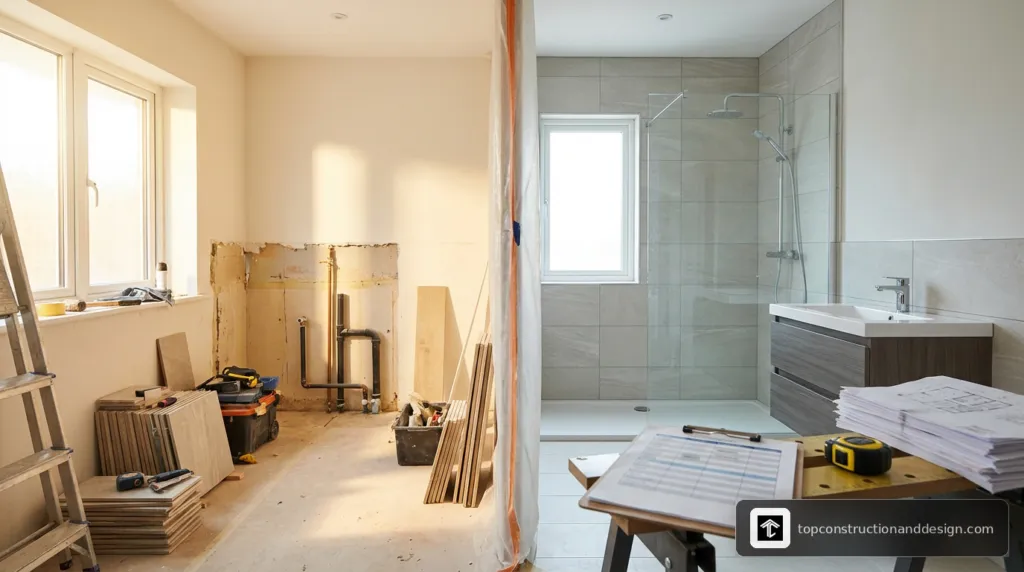
Most bathroom remodels take 3 to 6 weeks of active construction and 6 to 12 weeks total once planning, permits, and material ordering are factored in. Larger gut renovations or primary bath projects with layout changes can run 8 weeks or more of construction and 2 to 4 months end-to-end, depending on scope, permitting, and how far out custom materials are backordered.
If you’ve ever asked a contractor “how long will my bathroom remodel take?” and gotten three different answers, you’re not alone. The honest reality is that a bathroom remodel timeline depends less on a fixed formula and more on scope, permitting, and how well the project is managed before the first tile is ever cut. Homeowners planning a 2026 remodel deserve a clear, honest breakdown, not a vague promise, because duration expectations directly affect how you plan your household routine, your budget draws, and your stress level for two months or more.
This guide walks through what actually happens week by week, what causes delays, and what separates a contractor who protects your timeline from one who lets it slip. No sales pitch here, just a transparent look at the process so you can plan with confidence.
Why Do Bathroom Remodel Timelines Vary So Much?
Two bathrooms that look similar on paper can have completely different schedules. A powder room refresh with no plumbing changes might wrap in a week, while a primary bath with a moved shower drain, custom vanity, and frameless glass can stretch past two months. According to Modernize’s bathroom remodel timeline breakdown, the difference almost always comes down to whether the layout is changing and how many trades need to rotate through the space.
Industry checklists like the one from Kraftersland’s phase-by-phase remodel glossary break the process into demo, rough-in, inspection, finish work, and punch list, each with its own dependencies. Skip a step or rush an inspection, and the whole schedule shifts. That’s why “how long” is really a question about scope, not square footage.
How Long Does Each Type of Bathroom Remodel Take?
Not every bathroom project is created equal, and the timeline should match the scope you’re actually requesting. Here’s how the ranges typically break down based on 2026 industry data.
| Project Type | Active Construction | Total Timeline |
|---|---|---|
| Cosmetic refresh (paint, fixtures, no layout change) | 3 to 5 working days, up to 2 weeks | 2 to 4 weeks |
| Standard full remodel, same layout | 10 to 14 working days, 3 to 6 weeks | 6 to 10 weeks |
| Full gut remodel with layout changes | 18 to 25 working days, 5 to 8+ weeks | 2 to 3 months |
| Primary bath / high-end custom | 8 to 10+ weeks | 3 to 4 months |
These ranges align closely with what Kitchen Cabinet Kings’ bathroom remodel timing guide and USA Cabinet Store’s remodel duration breakdown report across hundreds of real projects. Pricing for any of these tiers varies based on your specific project, finishes, and local labor rates, so treat these as scheduling benchmarks rather than budget figures.
What’s Really Driving Bathroom Remodel Delays in 2026?
Homeowners are often surprised that the construction itself isn’t usually the bottleneck. It’s everything around it. A few consistent culprits show up across 2026 remodeling data:
- Scope changes mid-project: Moving a toilet, sink, or shower drain triggers new rough-in work and a fresh inspection cycle.
- Permit processing: Depending on your municipality, approvals can add 1 to 3 weeks before demo even starts.
- Material lead times: Custom vanities alone often carry a 4 to 8 week lead time, and specialty tile or frameless glass can add several more weeks.
- Hidden conditions: Mold, water-damaged subfloor, or outdated wiring behind the walls can turn a 4-week job into a 10-week job once discovered.
- Trade sequencing: Plumbers, electricians, tile setters, and glass installers all need their turn, and inspections often have to happen between each one.
The NKBA’s 2026 bath trends report notes that demand for custom finishes and personalized layouts continues to climb, which is good for design outcomes but adds real weeks to sourcing and coordination. Meanwhile, a market analysis from Gitnux’s bath remodeling industry statistics shows the sector’s continued growth is putting pressure on contractor availability and material supply chains nationwide.
What Does a Trustworthy Contractor Do Differently on Scheduling?
Not all contractors manage timelines the same way, and this is often where trust is built or broken. A contractor focused on protecting your schedule will typically:
- Order long-lead materials before demo begins. Vanities, custom glass, and specialty tile get placed on order weeks in advance so construction doesn’t stall waiting on a delivery truck.
- Pull permits early and confirm inspection windows. This avoids the common trap of finishing rough-in work and then waiting a week for an inspector’s calendar to open up.
- Walk the space before quoting to check for likely hidden issues like moisture damage or old wiring, rather than discovering them mid-demo.
- Give you a written, phase-by-phase schedule so you know exactly which week involves no water access, dust, or a crew in your home.
- Communicate proactively when something shifts, instead of letting you find out three weeks in that materials are delayed.
This kind of planning discipline is echoed in the Cabinet Coach’s bathroom renovation timeline guide, which emphasizes that most delays trace back to decisions and orders that should have happened before demo, not problems during construction itself.
How Do Permits, Licensing, and Safety Inspections Affect the Schedule?
Permits and inspections exist to protect you, the homeowner, from unsafe electrical work, improper venting, and plumbing that could leak into your subfloor for years undetected. Skipping them isn’t a shortcut, it’s a liability. A licensed contractor builds inspection checkpoints into the schedule from day one rather than treating them as an afterthought.
Typical inspection points in a full remodel include rough-in plumbing, rough-in electrical, and a final inspection before the space is signed off as code-compliant. Each one can take a few days to schedule depending on your city’s workload, which is exactly why permit timing gets built into the total project window rather than the “active construction” window. A licensed, insured contractor also carries the liability coverage that protects you if something goes wrong on-site, something an unlicensed handyman crew typically cannot offer.
Why Does a Written Process and Warranty Matter for Timeline Confidence?
A remodel that takes longer than expected is frustrating. A remodel with no clear process, no documented warranty, and no accountability for delays is a much bigger risk. Before work begins, a reputable contractor should provide a written scope of work, a payment schedule tied to project milestones, and a workmanship warranty that outlines what’s covered after the crew leaves.
Ask specifically what happens if a material is backordered, who handles delays caused by hidden damage, and how change orders affect both cost and schedule. According to cost and trend data compiled by a national survey on bathroom remodeling trends and budgets, homeowners increasingly prioritize contractors who communicate clearly about both cost and schedule risk upfront, not just final price. That transparency, more than any single guarantee, is what protects you from an open-ended project.
2024: $13,000
Key Takeaways
- A typical bathroom remodel takes 3 to 6 weeks of construction and 6 to 12 weeks total including planning and permits.
- Full gut remodels with layout changes can run 8 weeks or more of construction and 2 to 4 months end-to-end.
- Custom vanities and specialty materials can add 4 to 8 weeks of lead time before construction even begins.
- Permits and inspections aren’t red tape, they protect your home’s safety and can add 1 to 3 weeks depending on your municipality.
- Hidden conditions like water damage or old wiring are the most common cause of unexpected schedule extensions.
- A trustworthy contractor orders long-lead materials early, pulls permits upfront, and gives you a written phase-by-phase schedule.
- Pricing and duration both vary based on scope, finishes, and location, so a custom quote is the only reliable way to know your exact timeline.
People Also Ask
How long does it take to remodel a small bathroom?
A small bathroom with a cosmetic update and no layout change typically takes 3 to 5 working days up to 2 weeks. If plumbing or electrical is relocated, expect 3 to 4 weeks even in a small footprint.
Can you shower during a bathroom remodel?
If it’s your only bathroom, most contractors will phase demo and plumbing work to keep water access available as long as possible, though there will be a few days without functioning fixtures during rough-in and final connection.
What takes the longest in a bathroom remodel?
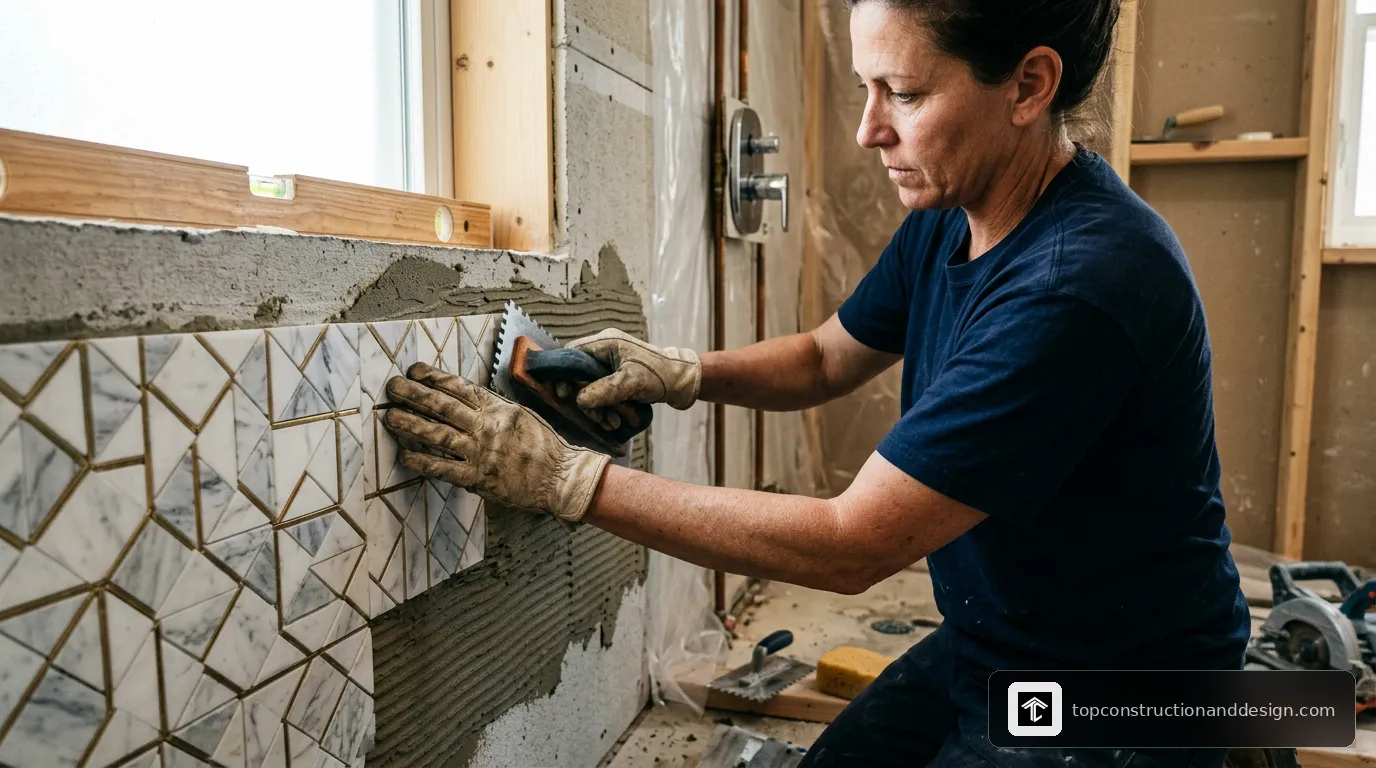
Tile work, waiting on custom vanities or glass, and permit/inspection scheduling are usually the longest phases, often longer than the demo and framing combined.
Does moving plumbing add a lot of time to a remodel?
Yes. Relocating a toilet, sink, or shower drain requires new rough-in plumbing and a separate inspection, which can add 1 to 3 weeks compared to keeping the existing layout.
Frequently Asked Questions
How long does a bathroom remodel usually take from start to finish?+
Most standard bathroom remodels take 6 to 12 weeks total, including planning, permitting, and material ordering, with 3 to 6 weeks of that being active on-site construction. Larger or custom projects can extend to 2 to 4 months.
Why do bathroom remodel timelines get extended so often?+
The most common causes are mid-project scope changes, permit processing delays, backordered custom materials, and hidden conditions like water damage discovered during demo. Trade scheduling and inspection wait times also add days between phases.
Is it normal for a contractor to require a permit for a bathroom remodel?+
Yes, most jurisdictions require permits for any project involving plumbing relocation, electrical work, or structural changes. A licensed contractor pulling permits upfront protects you legally and ensures the work passes inspection.
How far in advance should I order a custom vanity or tile?+
Custom vanities often carry a 4 to 8 week lead time, and specialty tile or frameless glass can take several additional weeks. Ordering these before demo begins is one of the most effective ways to keep your project on schedule.
What warranty coverage should I expect after a bathroom remodel?+
A reputable contractor should provide a written workmanship warranty covering installation defects, separate from manufacturer warranties on fixtures and materials. Ask for the exact coverage period and what’s excluded before signing your contract.
How much does a bathroom remodel cost in 2026?+
Pricing varies widely based on scope, materials, and location, generally ranging from mid four figures for cosmetic updates to well over $20,000 for a full custom primary bath. Contact a licensed contractor for a custom quote based on your specific project.
Should I move out of my home during a bathroom remodel?+
Most homeowners do not need to move out for a single bathroom remodel, especially if there’s a second bathroom available. If it’s your only bathroom, discuss a phased schedule with your contractor to minimize days without water access.

